Core Team
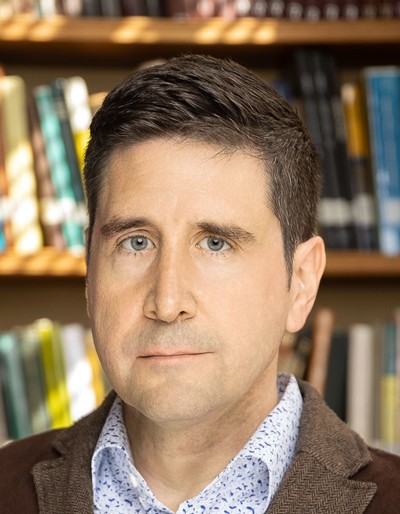
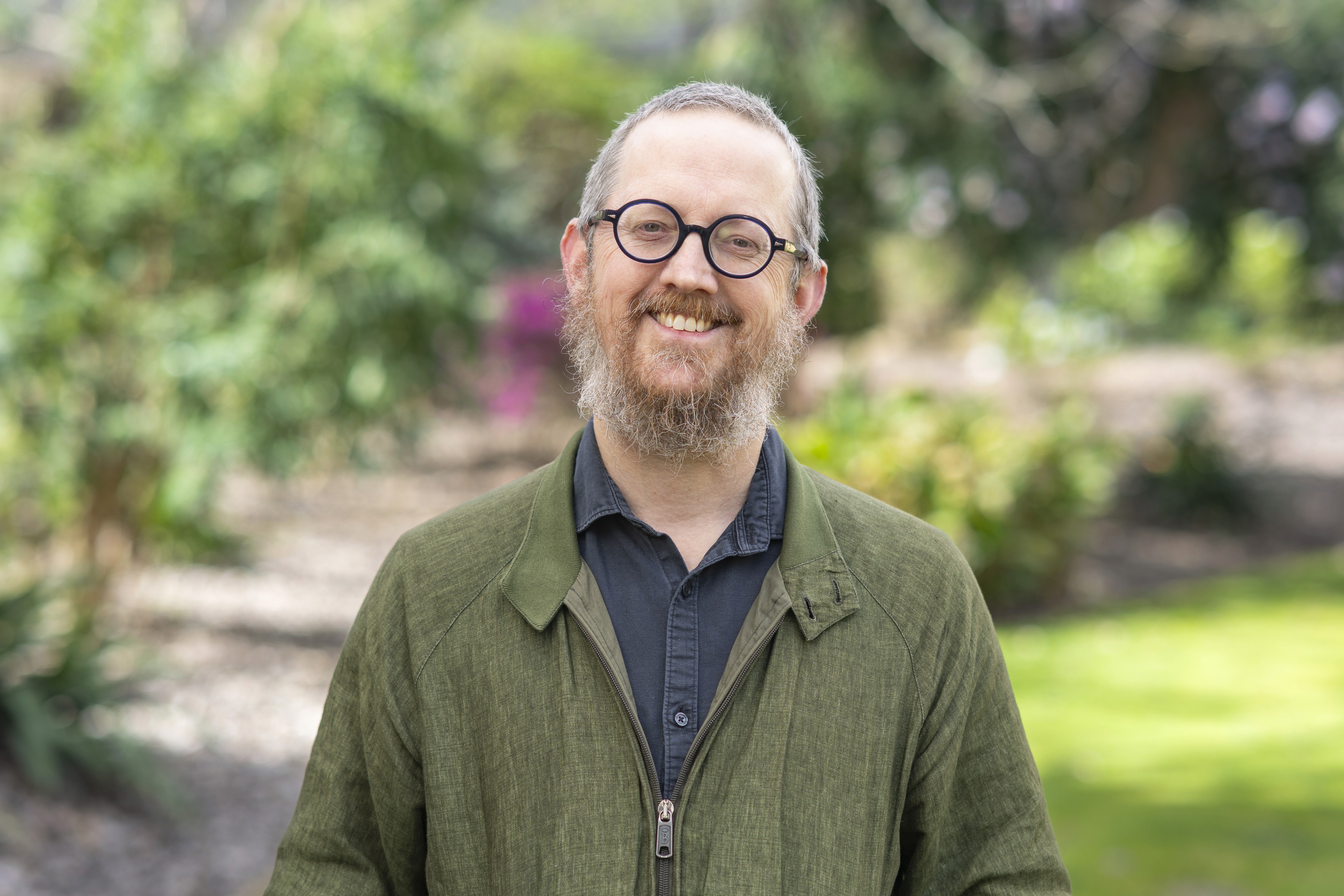
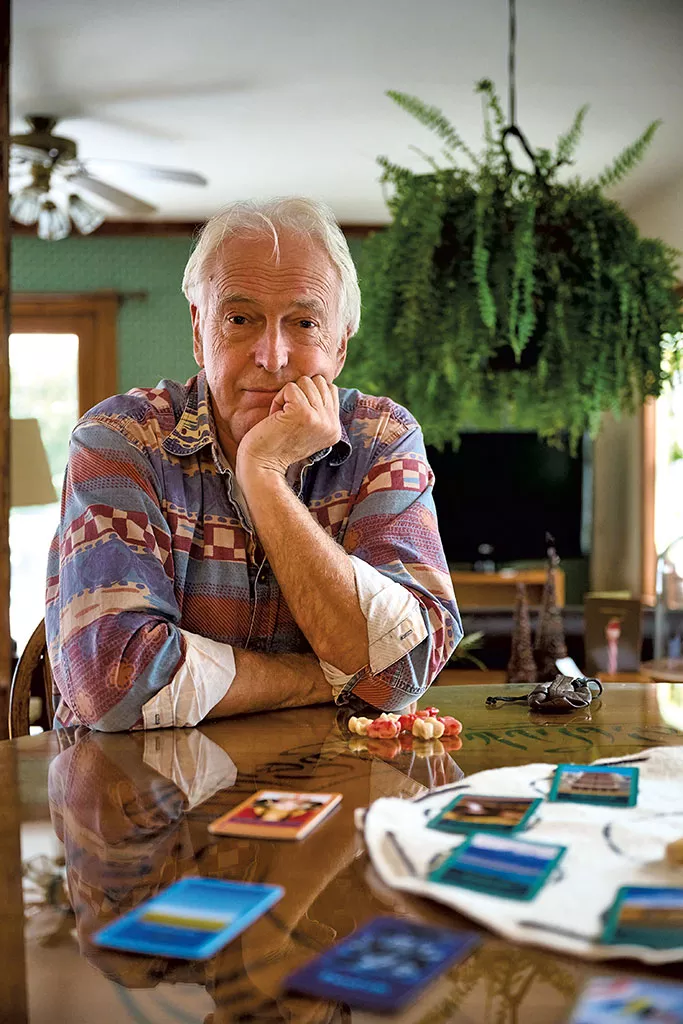
Tim Brookes
President
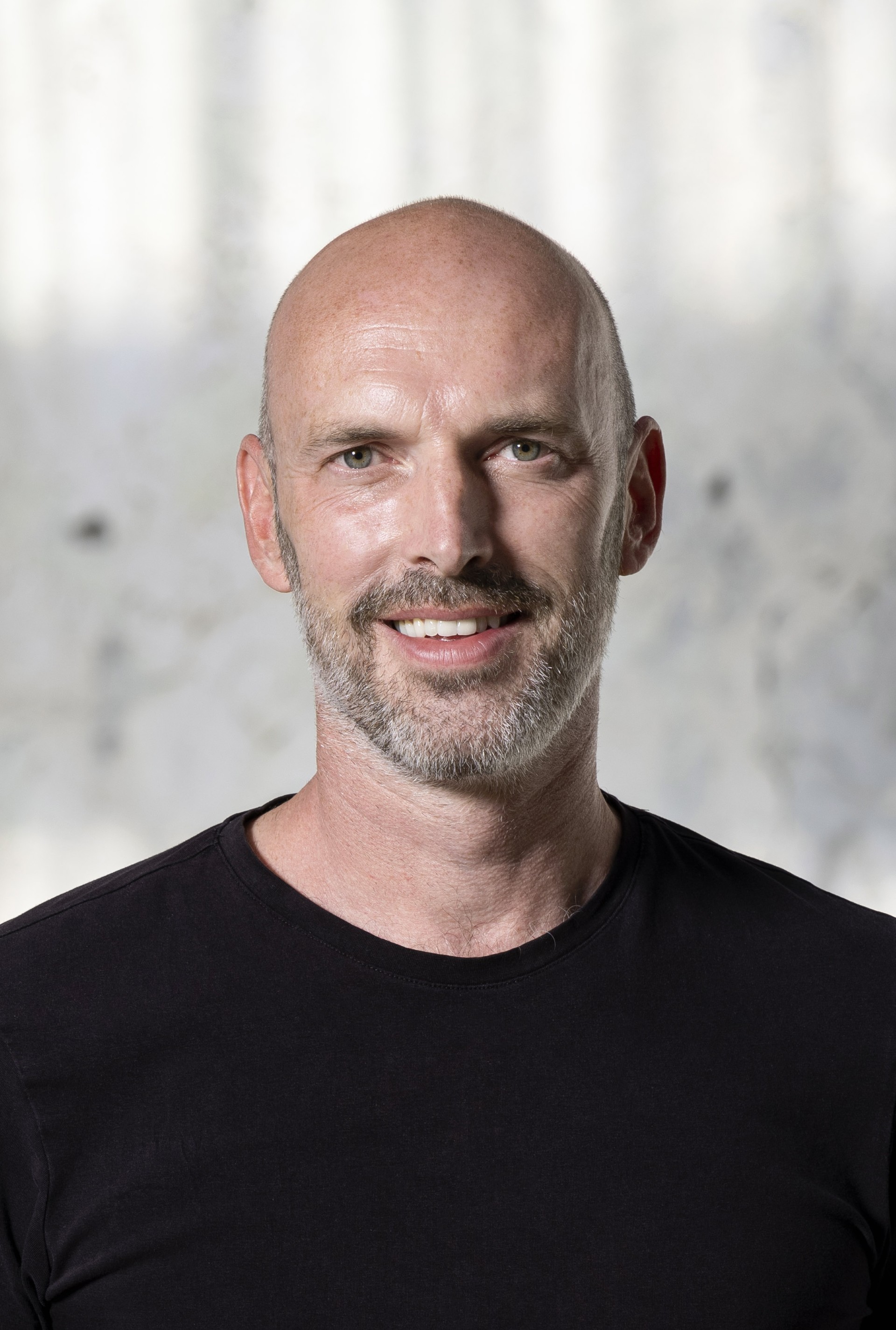
Tim Brookes has an M.A. from Oxford University. He founded the Endangered Alphabets Project in 2009, and is the author of Endangered Alphabets and The Atlas of Endangered Alphabets. He is recognized as the world’s leading figure in script endangerment and revitalization.
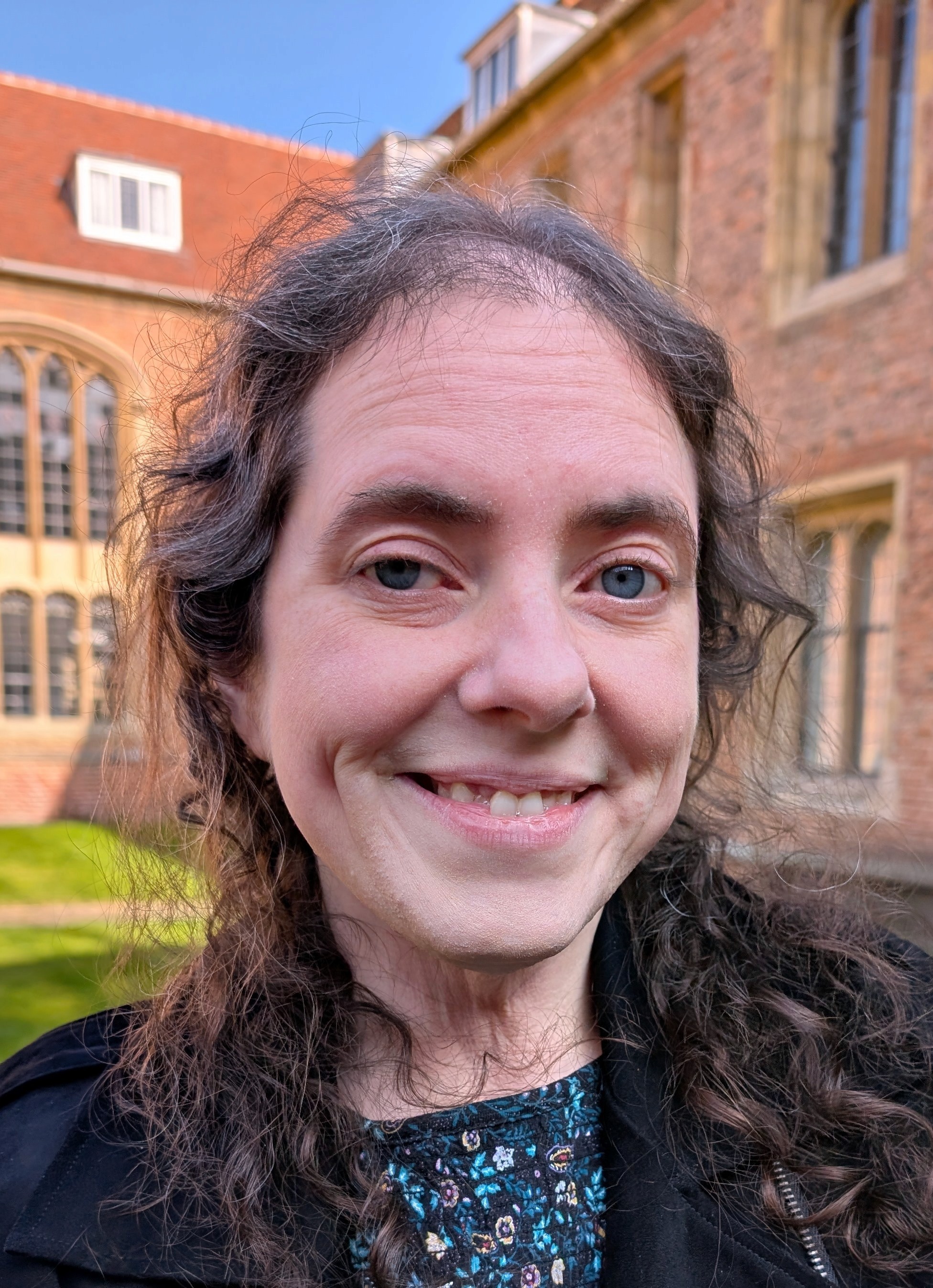


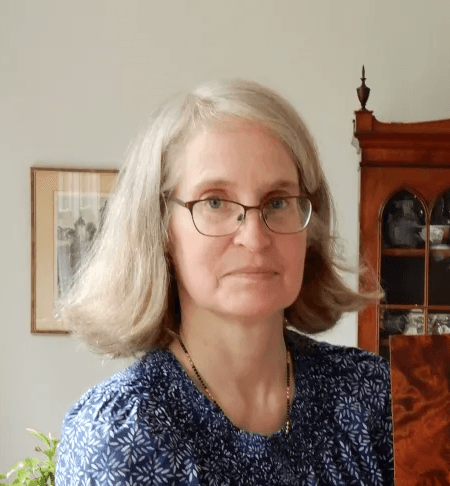
Pippa Steele
Vice-President for Research
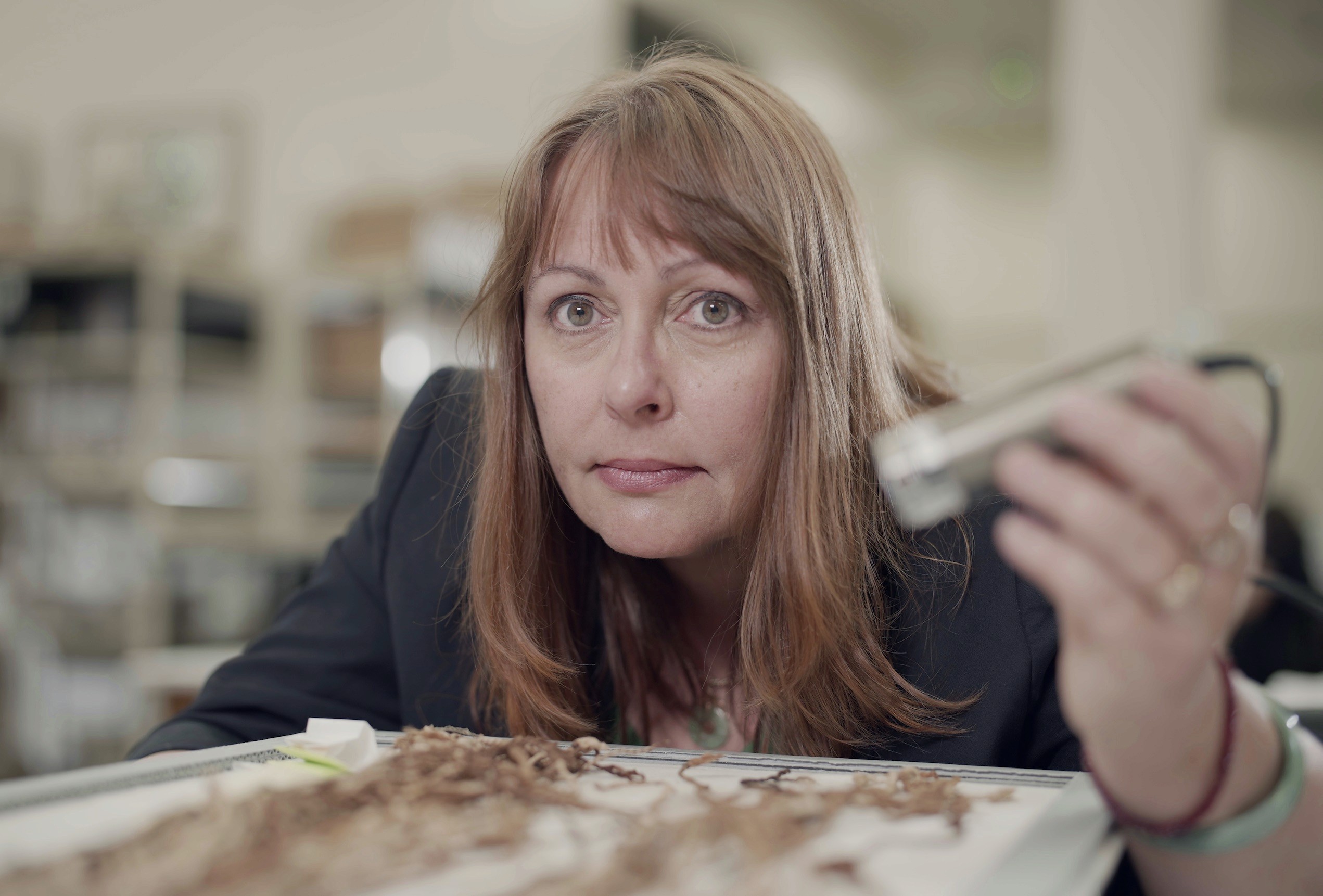
Pippa is a Research Professor at the University of Cambridge, where she directs the VIEWS project (Visual Interactions in Early Writing Systems) and the Endangered Writing Research Network. She has published widely on languages and writing systems of the ancient Mediterranean and theoretical approaches to writing, and has been the recipient of large grants from the ERC and UKRI.
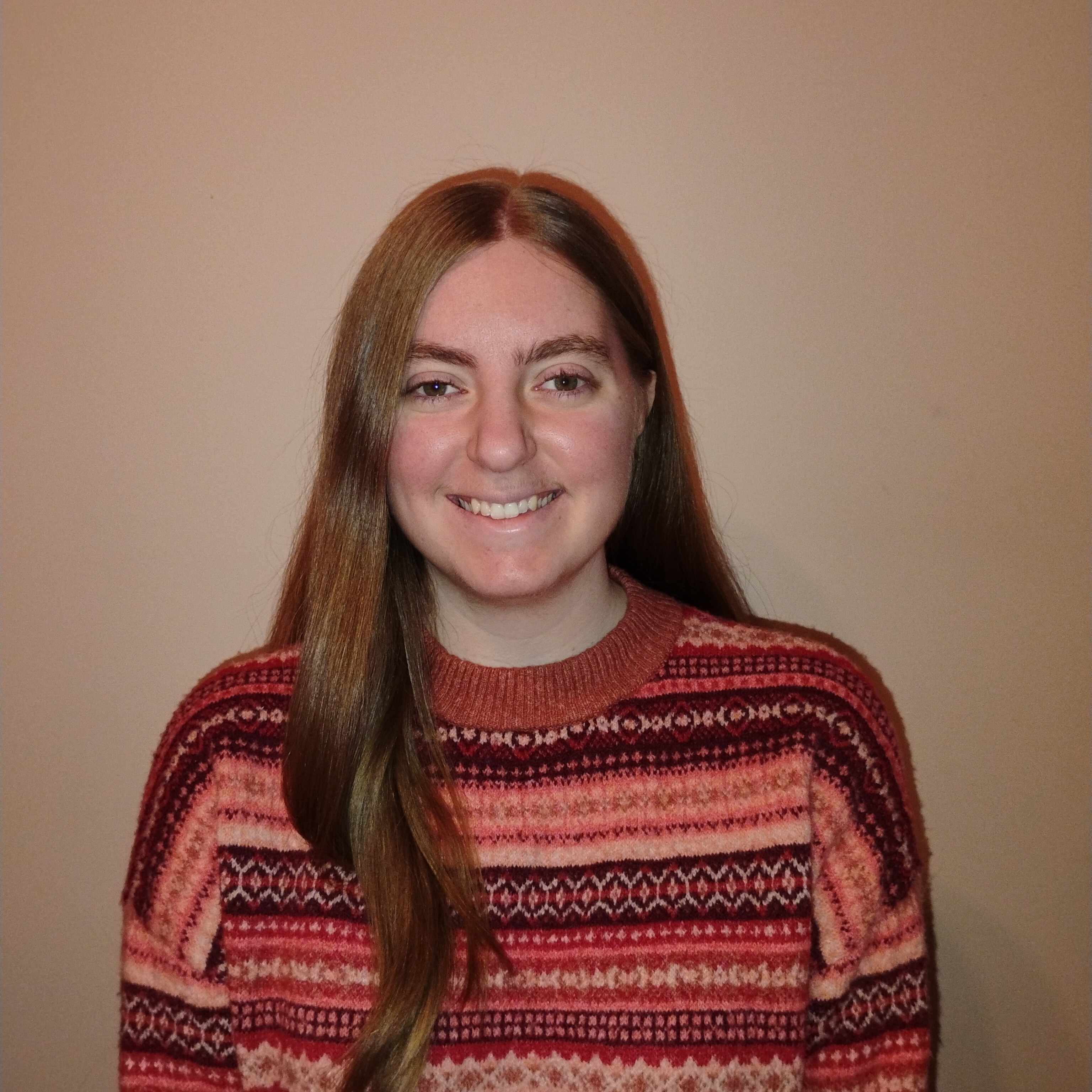
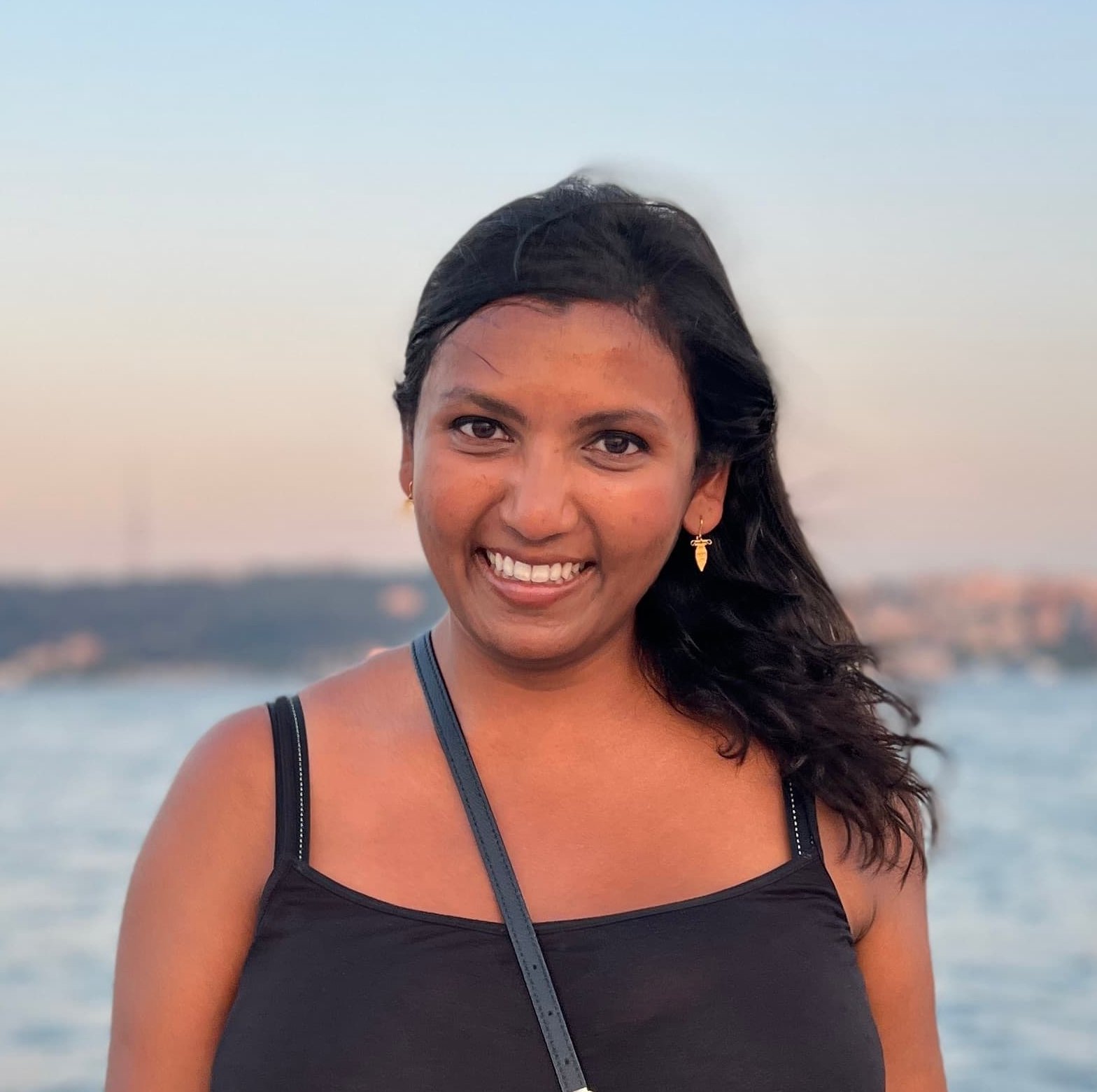
Alana Brown
Vice-President for Communications and Network Development
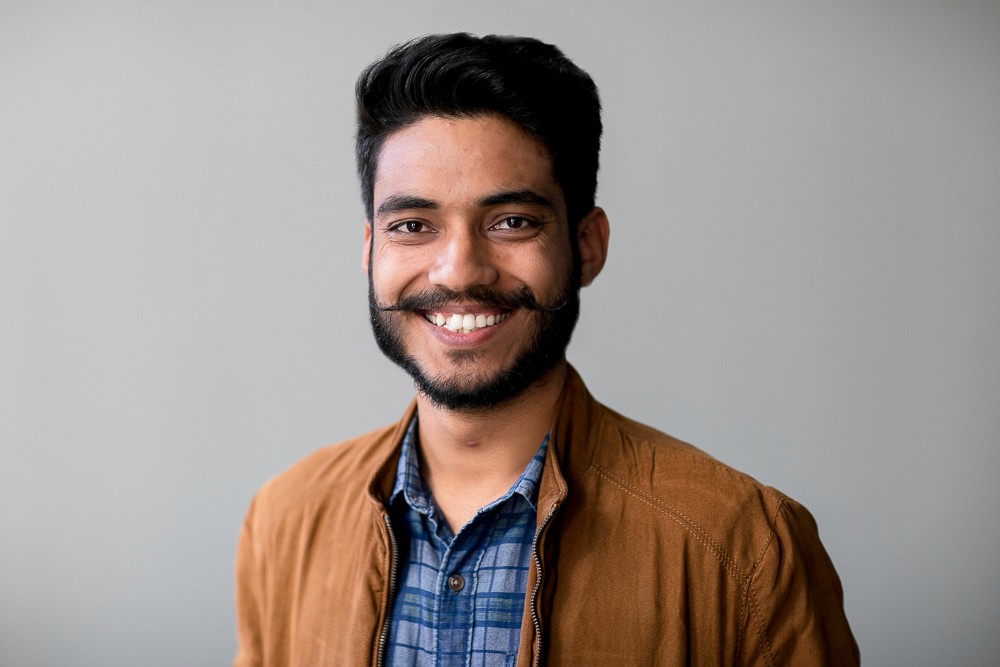
Alana obtained her BA in Linguistics at the end of 2023. During her studies, her main interest became endangered languages, and she hopes to attend graduate school for language documentation and revitalization. It was also during this time that she became aware of Tim’s work with the Endangered Alphabets Project, and she began interning with him in 2024.
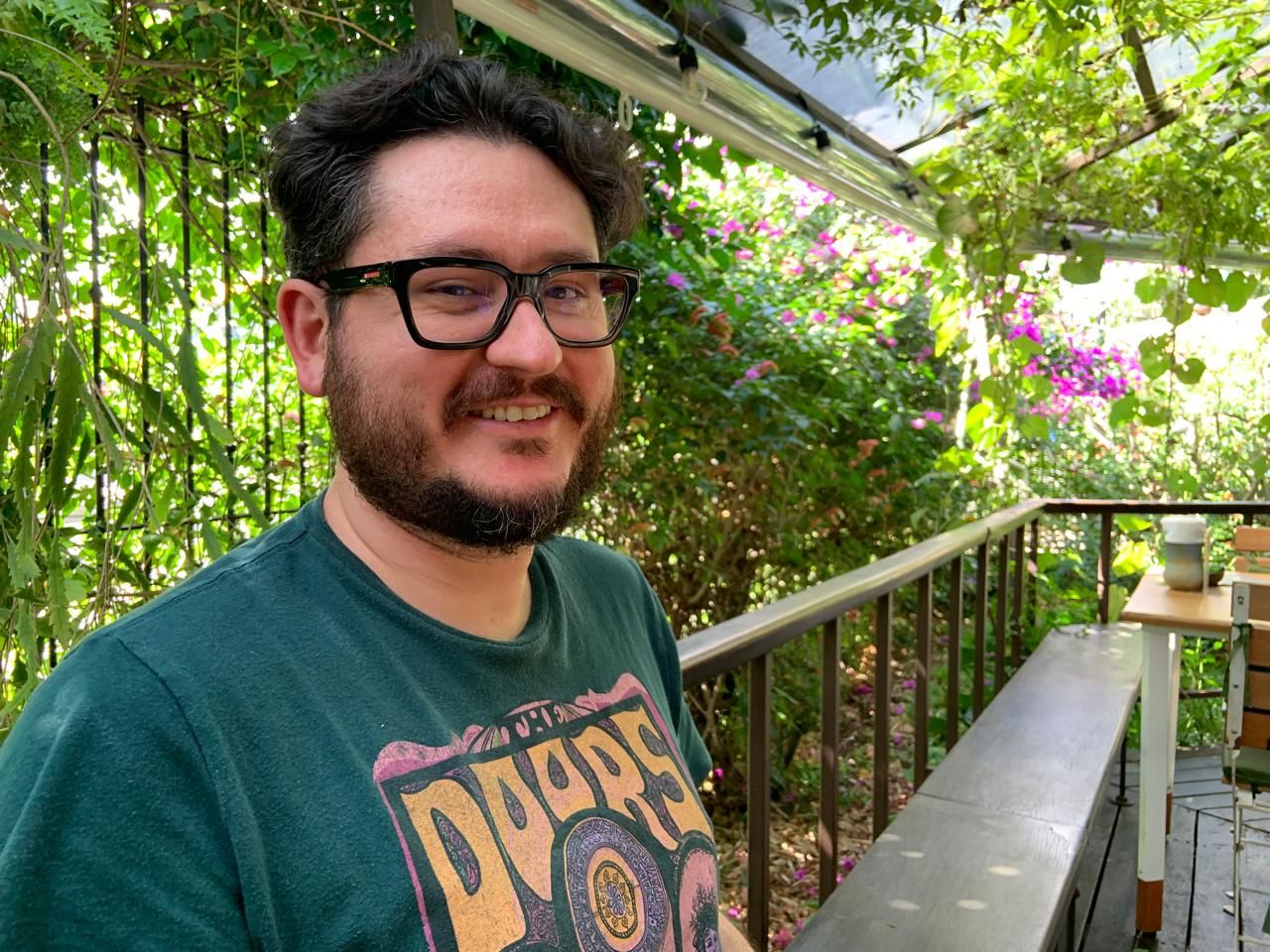


Esteban Kong
Chief Technical Officer
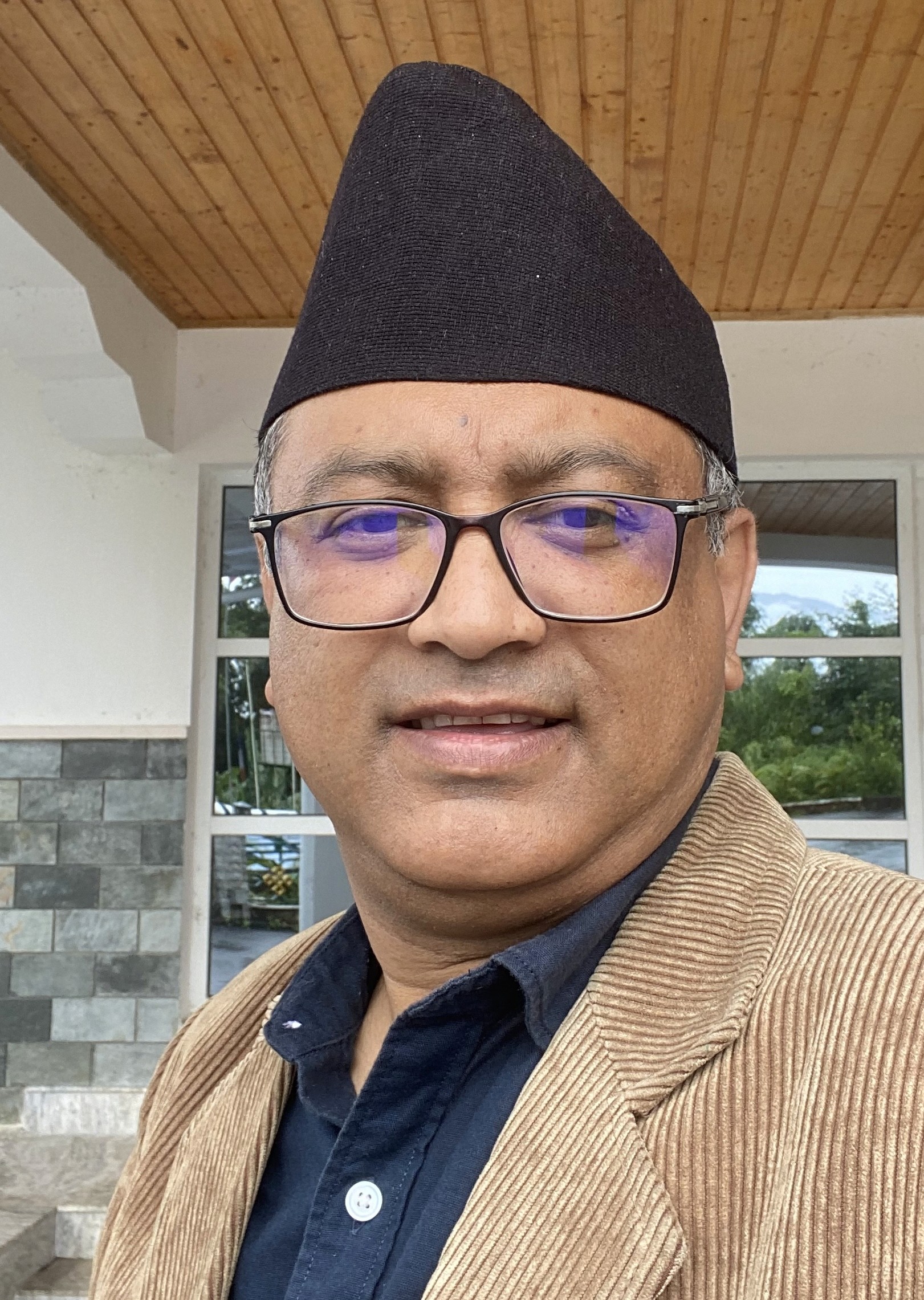
Esteban has worked for several technology focused companies such as BCG, Accenture, and Amazon, gathering more than 15 years of experience in digital products development. Lately he is been involved in Extended Reality (XR) projects which speaks to his innovative approach to technology and how it can have a positive social impact.
Co-founders and Co-hosts of the network

The VIEWS project (Visual Interactions in Early Writing Systems)
The VIEWS project is based at the University of Cambridge and run by Pippa Steele, following a successful bid for an ERC Consolidator Grant (now underwritten by the UKRI, grant no. EP/X028240/1). VIEWS uses innovative, interdisciplinary research methods to better understand visual properties of writing, from its component features to its role in display and visual culture. While initial case studies focused on historical systems (from cuneiform and the Greek and Phoenician alphabets to Egyptian and Mayan hieroglyphs), the project remit has grown to include a particular emphasis on minority scripts of the present day. The project publishes research and holds regular seminars and conferences on a broad range of topics.
Website: https://viewsproject.wordpress.com/
Social media:
https://www.youtube.com/channel/UCxj3mZLZnwvYpmLrvzwVGjA
https://www.instagram.com/views_project_cambridge/
https://bsky.app/profile/viewsproject.bsky.social
https://x.com/crewsproject
The Endangered Writing Research Network
The Endangered Writing Research Network was founded by Pippa in 2023 with an aim of bringing together people from many different backgrounds to tackle the marginalisation and endangerment of minority scripts, both traditional heritage systems and more recently developed emergent scripts. Participants come from both inside and outside of academia, working in areas including theoretical writing research, fieldwork, linguistics, type design and digitisation, art and calligraphy, language activism and many more. The network hosts a lively discussion forum on Discord.
Website: https://viewsproject.wordpress.com/endangered-writing-network/
Created and operated by The Endangered Alphabets Project and The VIEWS Project.

Advisory Board members
Adam Yeo

Assistant Professor of Graphic Design in the Department of Sciences des Arts, Industries Culturelles et Communication (SAICC), University of Bondoukou
Adam Yeo

Assistant Professor of Graphic Design in the Department of Sciences des Arts, Industries Culturelles et Communication (SAICC), University of Bondoukou
Amalia Gnanadesikan

University of Maryland, retired.
Amalia Gnanadesikan

University of Maryland, retired.
Anushah Hossain

Anushah Hossain is the Research Director of the Script Encoding Initiative (sei.berkeley.edu) at the University of California, Berkeley. She is also a historian of computing and writes about the development and impacts of the Unicode Standard and related text technologies.
Anushah Hossain

Anushah Hossain is the Research Director of the Script Encoding Initiative (sei.berkeley.edu) at the University of California, Berkeley. She is also a historian of computing and writes about the development and impacts of the Unicode Standard and related text technologies.
Chuck Haberl

Professor Charles G. Häberl is Professor of African, Middle Eastern, and South Asian Languages and Literatures and Religion at Rutgers, the State University of New Jersey, in New Brunswick, NJ, specializing in ancient and modern Middle Eastern languages, particularly Aramaic and other Semitic languages, and the study of ethnic, linguistic, and religious minorities. A Harvard-trained scholar, he has published pioneering works on the Mandaic language and co-edited an English language translation of the Mandaean Book of John. He has also held significant leadership roles, including President of the International Linguistic Association.
Chuck Haberl

Professor Charles G. Häberl is Professor of African, Middle Eastern, and South Asian Languages and Literatures and Religion at Rutgers, the State University of New Jersey, in New Brunswick, NJ, specializing in ancient and modern Middle Eastern languages, particularly Aramaic and other Semitic languages, and the study of ethnic, linguistic, and religious minorities. A Harvard-trained scholar, he has published pioneering works on the Mandaic language and co-edited an English language translation of the Mandaean Book of John. He has also held significant leadership roles, including President of the International Linguistic Association.
Deborah Anderson

Deborah (Debbie) Anderson is Vice Chair of the Unicode Script Encoding Working Group and former founder and former director of the UC Berkeley Script Encoding Working Group. She holds a Ph.D. in Indo-European Studies (linguistics emphasis) from UCLA.
Deborah Anderson

Deborah (Debbie) Anderson is Vice Chair of the Unicode Script Encoding Working Group and former founder and former director of the UC Berkeley Script Encoding Working Group. She holds a Ph.D. in Indo-European Studies (linguistics emphasis) from UCLA.
Gerald Roche

Gerald Roche is a Lecturer in Linguistics at La Trobe University and co-founder of the Linguistic Justice Foundation. His books include The Politics of Language Oppression in Tibet and the Routledge Handbook of Language Revitalization
Gerald Roche

Gerald Roche is a Lecturer in Linguistics at La Trobe University and co-founder of the Linguistic Justice Foundation. His books include The Politics of Language Oppression in Tibet and the Routledge Handbook of Language Revitalization
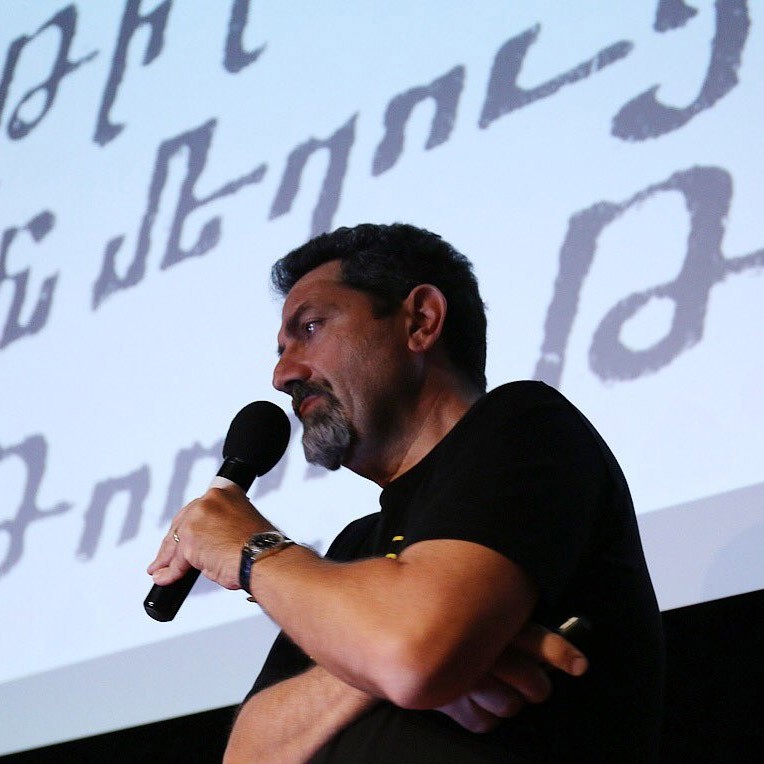
Hrant Papazian

A keeper of the Armenian alphabet since 1983, Hrant Papazian works to uphold the writing system autonomy of all minority cultures. Through teaching, conference presentations and mentoring Hrant aims to bolster the textual diversity of the world.
Hrant Papazian

A keeper of the Armenian alphabet since 1983, Hrant Papazian works to uphold the writing system autonomy of all minority cultures. Through teaching, conference presentations and mentoring Hrant aims to bolster the textual diversity of the world.
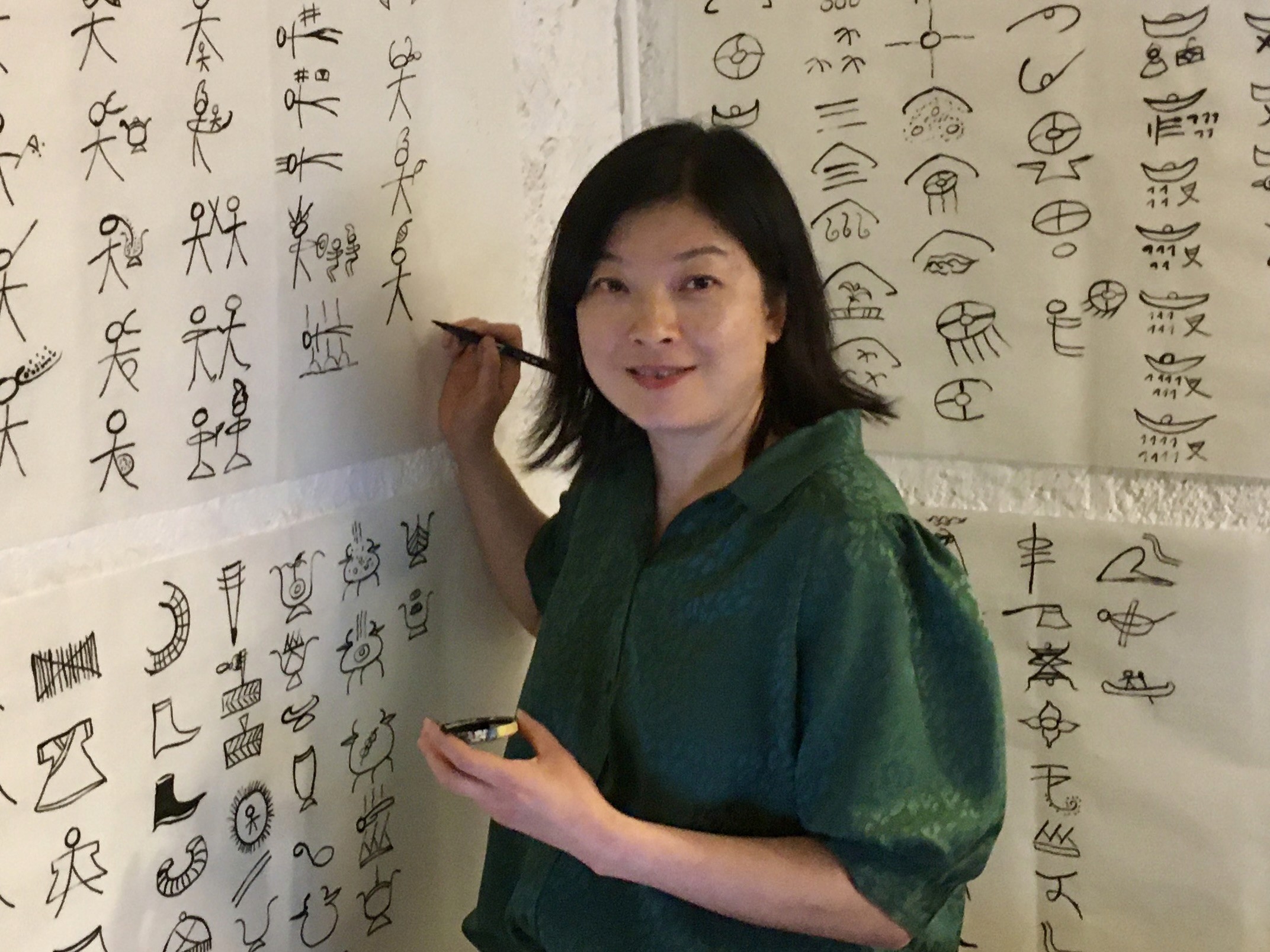
Jade Wang Szilas

Dr Jade Jue Wang-Szilas holds a joint PhD in Language Sciences and Language Didactics from Inalco (Paris) and the University of Geneva. She is an associate researcher at both institutions and a senior adviser in technology-enhanced learning at the University of Geneva. Her work focuses on digital humanities, plurilingualism, language pedagogy, interculturality, and the digital preservation of endangered scripts. She directed the UNESCO-supported MOOC “Initiation to the Dongba Script.”
Jade Wang Szilas

Dr Jade Jue Wang-Szilas holds a joint PhD in Language Sciences and Language Didactics from Inalco (Paris) and the University of Geneva. She is an associate researcher at both institutions and a senior adviser in technology-enhanced learning at the University of Geneva. Her work focuses on digital humanities, plurilingualism, language pedagogy, interculturality, and the digital preservation of endangered scripts. She directed the UNESCO-supported MOOC “Initiation to the Dongba Script.”
Johannes Bergerhausen

Johannes Bergerhausen, born 1965 in Bonn, Germany, is a professor of typography and book design at Mainz University of Applied Sciences. From 1993 to 2000, he worked as a designer in Paris. In 2004, he founded decodeunicode.org and, together with his colleagues, the Institut Designlabor Gutenberg (IDG). In 2014, he published »Digital Cuneiform«. In 2016, he initiated the Missing Scripts project, a long-term project and joint effort by ANRT Nancy, SEI Berkeley and IDG Mainz. https://worldswritingsystems.org
Johannes Bergerhausen

Johannes Bergerhausen, born 1965 in Bonn, Germany, is a professor of typography and book design at Mainz University of Applied Sciences. From 1993 to 2000, he worked as a designer in Paris. In 2004, he founded decodeunicode.org and, together with his colleagues, the Institut Designlabor Gutenberg (IDG). In 2014, he published »Digital Cuneiform«. In 2016, he initiated the Missing Scripts project, a long-term project and joint effort by ANRT Nancy, SEI Berkeley and IDG Mainz. https://worldswritingsystems.org
Maung Ting Nyeu (မောင်တင်ညို)

Maung Ting Nyeu (မောင်တင်ညို)

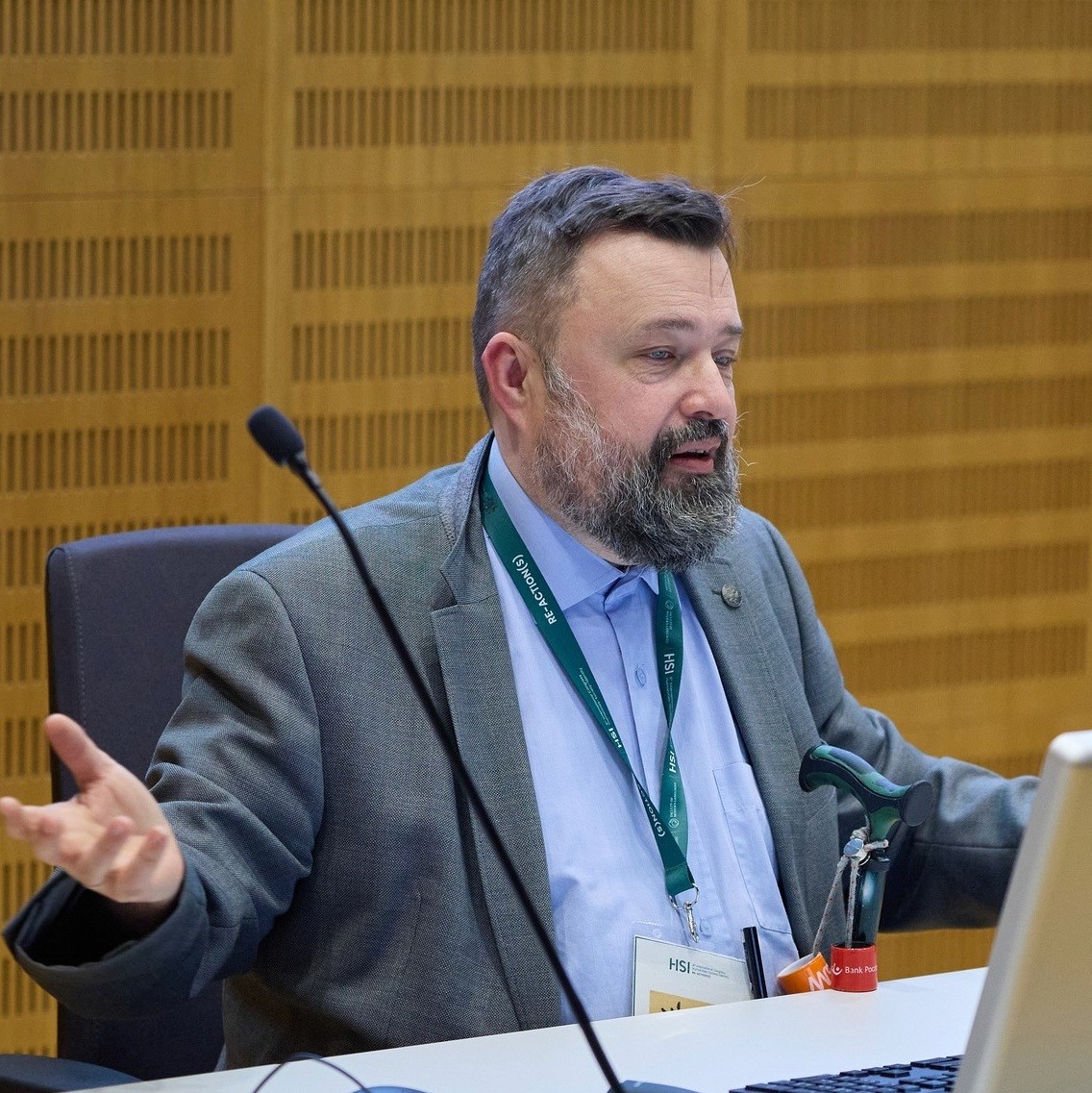
Olgierd Uziemblo

Olgierd Tomasz Uziembło, sinologist and cultural anthropologist, working on semiotics of graphic communication at Warsaw University's Sign and Symbol research Center. Educated in China and Poland, loves performance calligraphy and asemic poetry.
Olgierd Uziemblo

Olgierd Tomasz Uziembło, sinologist and cultural anthropologist, working on semiotics of graphic communication at Warsaw University's Sign and Symbol research Center. Educated in China and Poland, loves performance calligraphy and asemic poetry.
Sabine Hyland

For over 20 years, Sabine Hyland has collaborated with elders in remote Andean villages to discover new insights into how native Peruvians communicated through 3D-coloured cords known as “khipus”. Her research has uncovered isolated communities where khipus — once thought to have been wiped out during the European invasion in the 1500s — were used within living memory. Hyland’s work has shown, among other things, that khipus signified meaning partially through the tactile feel of different animal fibres and the twist of knots and thread, suggesting an indigenous epistemology in which the sense of touch plays as vital a role as sight. An anthropologist at the University of St Andrews, Scotland, Hyland’s research has been featured by National Geographic, the BBC, the Times, Scientific American, the Discover Channel (TV), and other media outlets.
Sabine Hyland

For over 20 years, Sabine Hyland has collaborated with elders in remote Andean villages to discover new insights into how native Peruvians communicated through 3D-coloured cords known as “khipus”. Her research has uncovered isolated communities where khipus — once thought to have been wiped out during the European invasion in the 1500s — were used within living memory. Hyland’s work has shown, among other things, that khipus signified meaning partially through the tactile feel of different animal fibres and the twist of knots and thread, suggesting an indigenous epistemology in which the sense of touch plays as vital a role as sight. An anthropologist at the University of St Andrews, Scotland, Hyland’s research has been featured by National Geographic, the BBC, the Times, Scientific American, the Discover Channel (TV), and other media outlets.
Samar Sinha

Samar Sinha

Satdeep Gill

Satdeep Gill is a passionate advocate for multilingualism and knowledge equity. As a Senior Program Officer within the Content Enablement team at the Wikimedia Foundation, he empowers communities to preserve, create, and share knowledge in their native tongues, fostering inclusivity and cross-cultural understanding. He champions the preservation, digitization, and revitalization of literary heritage through Wikimedia platforms. With a deep commitment to free knowledge, he actively contributes to building a world where everyone has access to knowledge in their own language.
Satdeep Gill

Satdeep Gill is a passionate advocate for multilingualism and knowledge equity. As a Senior Program Officer within the Content Enablement team at the Wikimedia Foundation, he empowers communities to preserve, create, and share knowledge in their native tongues, fostering inclusivity and cross-cultural understanding. He champions the preservation, digitization, and revitalization of literary heritage through Wikimedia platforms. With a deep commitment to free knowledge, he actively contributes to building a world where everyone has access to knowledge in their own language.
Thomas Huot-Marchand

Thomas Huot-Marchand (1977) lives and works in Besançon, France. After graduating in Besançon school of fine arts in 2001, he joined the Atelier national de recherche typographique (ANRT) where he studied typeface design. In 2006, he was resident fellow at the Académie de France à Rome - Villa Medici. He teached graphic and typographic design in Besançon and in Amiens from 2002 to 2012. Since 2012, he’s head of ANRT, a post-graduate research course based in Nancy ( www.anrt-nancy.fr ). Typographer in residency at the Hoffmitz-Milken Center for Typography (H_M_C_T) in Pasadena in 2019.
Thomas Huot-Marchand

Thomas Huot-Marchand (1977) lives and works in Besançon, France. After graduating in Besançon school of fine arts in 2001, he joined the Atelier national de recherche typographique (ANRT) where he studied typeface design. In 2006, he was resident fellow at the Académie de France à Rome - Villa Medici. He teached graphic and typographic design in Besançon and in Amiens from 2002 to 2012. Since 2012, he’s head of ANRT, a post-graduate research course based in Nancy ( www.anrt-nancy.fr ). Typographer in residency at the Hoffmitz-Milken Center for Typography (H_M_C_T) in Pasadena in 2019.
Vyshantha Simha

Vyshantha Simha is working as an application developer at IBM Germany and pursuing doctoral studies in Digital Humanities at the University of Cologne on ontology of writing systems. He conducts summer semester course for university students where they build fonts, keyboards, transliteration websites and more. He has also worked on creating the "World Scripts Explorer" website. : https://github.com/Vyshantha/
Vyshantha Simha

Vyshantha Simha is working as an application developer at IBM Germany and pursuing doctoral studies in Digital Humanities at the University of Cologne on ontology of writing systems. He conducts summer semester course for university students where they build fonts, keyboards, transliteration websites and more. He has also worked on creating the "World Scripts Explorer" website. : https://github.com/Vyshantha/
Adam Yeo

Assistant Professor of Graphic Design in the Department of Sciences des Arts, Industries Culturelles et Communication (SAICC), University of Bondoukou
Adam Yeo

Assistant Professor of Graphic Design in the Department of Sciences des Arts, Industries Culturelles et Communication (SAICC), University of Bondoukou
Amalia Gnanadesikan

University of Maryland, retired.
Amalia Gnanadesikan

University of Maryland, retired.
Anushah Hossain

Anushah Hossain is the Research Director of the Script Encoding Initiative (sei.berkeley.edu) at the University of California, Berkeley. She is also a historian of computing and writes about the development and impacts of the Unicode Standard and related text technologies.
Anushah Hossain

Anushah Hossain is the Research Director of the Script Encoding Initiative (sei.berkeley.edu) at the University of California, Berkeley. She is also a historian of computing and writes about the development and impacts of the Unicode Standard and related text technologies.
Chuck Haberl

Professor Charles G. Häberl is Professor of African, Middle Eastern, and South Asian Languages and Literatures and Religion at Rutgers, the State University of New Jersey, in New Brunswick, NJ, specializing in ancient and modern Middle Eastern languages, particularly Aramaic and other Semitic languages, and the study of ethnic, linguistic, and religious minorities. A Harvard-trained scholar, he has published pioneering works on the Mandaic language and co-edited an English language translation of the Mandaean Book of John. He has also held significant leadership roles, including President of the International Linguistic Association.
Chuck Haberl

Professor Charles G. Häberl is Professor of African, Middle Eastern, and South Asian Languages and Literatures and Religion at Rutgers, the State University of New Jersey, in New Brunswick, NJ, specializing in ancient and modern Middle Eastern languages, particularly Aramaic and other Semitic languages, and the study of ethnic, linguistic, and religious minorities. A Harvard-trained scholar, he has published pioneering works on the Mandaic language and co-edited an English language translation of the Mandaean Book of John. He has also held significant leadership roles, including President of the International Linguistic Association.
Deborah Anderson

Deborah (Debbie) Anderson is Vice Chair of the Unicode Script Encoding Working Group and former founder and former director of the UC Berkeley Script Encoding Working Group. She holds a Ph.D. in Indo-European Studies (linguistics emphasis) from UCLA.
Deborah Anderson

Deborah (Debbie) Anderson is Vice Chair of the Unicode Script Encoding Working Group and former founder and former director of the UC Berkeley Script Encoding Working Group. She holds a Ph.D. in Indo-European Studies (linguistics emphasis) from UCLA.
Gerald Roche

Gerald Roche is a Lecturer in Linguistics at La Trobe University and co-founder of the Linguistic Justice Foundation. His books include The Politics of Language Oppression in Tibet and the Routledge Handbook of Language Revitalization
Gerald Roche

Gerald Roche is a Lecturer in Linguistics at La Trobe University and co-founder of the Linguistic Justice Foundation. His books include The Politics of Language Oppression in Tibet and the Routledge Handbook of Language Revitalization
Hrant Papazian

A keeper of the Armenian alphabet since 1983, Hrant Papazian works to uphold the writing system autonomy of all minority cultures. Through teaching, conference presentations and mentoring Hrant aims to bolster the textual diversity of the world.
Hrant Papazian

A keeper of the Armenian alphabet since 1983, Hrant Papazian works to uphold the writing system autonomy of all minority cultures. Through teaching, conference presentations and mentoring Hrant aims to bolster the textual diversity of the world.
Jade Wang Szilas

Dr Jade Jue Wang-Szilas holds a joint PhD in Language Sciences and Language Didactics from Inalco (Paris) and the University of Geneva. She is an associate researcher at both institutions and a senior adviser in technology-enhanced learning at the University of Geneva. Her work focuses on digital humanities, plurilingualism, language pedagogy, interculturality, and the digital preservation of endangered scripts. She directed the UNESCO-supported MOOC “Initiation to the Dongba Script.”
Jade Wang Szilas

Dr Jade Jue Wang-Szilas holds a joint PhD in Language Sciences and Language Didactics from Inalco (Paris) and the University of Geneva. She is an associate researcher at both institutions and a senior adviser in technology-enhanced learning at the University of Geneva. Her work focuses on digital humanities, plurilingualism, language pedagogy, interculturality, and the digital preservation of endangered scripts. She directed the UNESCO-supported MOOC “Initiation to the Dongba Script.”
Johannes Bergerhausen

Johannes Bergerhausen, born 1965 in Bonn, Germany, is a professor of typography and book design at Mainz University of Applied Sciences. From 1993 to 2000, he worked as a designer in Paris. In 2004, he founded decodeunicode.org and, together with his colleagues, the Institut Designlabor Gutenberg (IDG). In 2014, he published »Digital Cuneiform«. In 2016, he initiated the Missing Scripts project, a long-term project and joint effort by ANRT Nancy, SEI Berkeley and IDG Mainz. https://worldswritingsystems.org
Johannes Bergerhausen

Johannes Bergerhausen, born 1965 in Bonn, Germany, is a professor of typography and book design at Mainz University of Applied Sciences. From 1993 to 2000, he worked as a designer in Paris. In 2004, he founded decodeunicode.org and, together with his colleagues, the Institut Designlabor Gutenberg (IDG). In 2014, he published »Digital Cuneiform«. In 2016, he initiated the Missing Scripts project, a long-term project and joint effort by ANRT Nancy, SEI Berkeley and IDG Mainz. https://worldswritingsystems.org
Maung Ting Nyeu (မောင်တင်ညို)

Samar Sinha heads the endangered languages program at Sikkim University and is an expert of writing systems of the region. Maung Ting Nyeu is an ethnic Marma from the Chittagong Hill Tracts of Bangaldesh and a PhD graduate of the Harvard University School of Education. He works as a consultant on minority language and script revitalization projects.
Johannes Bergerhausen

Johannes Bergerhausen, born 1965 in Bonn, Germany, is a professor of typography and book design at Mainz University of Applied Sciences. From 1993 to 2000, he worked as a designer in Paris. In 2004, he founded decodeunicode.org and, together with his colleagues, the Institut Designlabor Gutenberg (IDG). In 2014, he published »Digital Cuneiform«. In 2016, he initiated the Missing Scripts project, a long-term project and joint effort by ANRT Nancy, SEI Berkeley and IDG Mainz. https://worldswritingsystems.org
Olgierd Uziemblo

Olgierd Tomasz Uziembło, sinologist and cultural anthropologist, working on semiotics of graphic communication at Warsaw University's Sign and Symbol research Center. Educated in China and Poland, loves performance calligraphy and asemic poetry.
Olgierd Uziemblo

Olgierd Tomasz Uziembło, sinologist and cultural anthropologist, working on semiotics of graphic communication at Warsaw University's Sign and Symbol research Center. Educated in China and Poland, loves performance calligraphy and asemic poetry.
Sabine Hyland

For over 20 years, Sabine Hyland has collaborated with elders in remote Andean villages to discover new insights into how native Peruvians communicated through 3D-coloured cords known as “khipus”. Her research has uncovered isolated communities where khipus — once thought to have been wiped out during the European invasion in the 1500s — were used within living memory. Hyland’s work has shown, among other things, that khipus signified meaning partially through the tactile feel of different animal fibres and the twist of knots and thread, suggesting an indigenous epistemology in which the sense of touch plays as vital a role as sight. An anthropologist at the University of St Andrews, Scotland, Hyland’s research has been featured by National Geographic, the BBC, the Times, Scientific American, the Discover Channel (TV), and other media outlets.
Sabine Hyland

For over 20 years, Sabine Hyland has collaborated with elders in remote Andean villages to discover new insights into how native Peruvians communicated through 3D-coloured cords known as “khipus”. Her research has uncovered isolated communities where khipus — once thought to have been wiped out during the European invasion in the 1500s — were used within living memory. Hyland’s work has shown, among other things, that khipus signified meaning partially through the tactile feel of different animal fibres and the twist of knots and thread, suggesting an indigenous epistemology in which the sense of touch plays as vital a role as sight. An anthropologist at the University of St Andrews, Scotland, Hyland’s research has been featured by National Geographic, the BBC, the Times, Scientific American, the Discover Channel (TV), and other media outlets.
Samar Sinha

Samar Sinha heads the endangered languages program at Sikkim University and is an expert of writing systems of the region. Maung Ting Nyeu is an ethnic Marma from the Chittagong Hill Tracts of Bangaldesh and a PhD graduate of the Harvard University School of Education. He works as a consultant on minority language and script revitalization projects.
Samar Sinha

Satdeep Gill

Satdeep Gill is a passionate advocate for multilingualism and knowledge equity. As a Senior Program Officer within the Content Enablement team at the Wikimedia Foundation, he empowers communities to preserve, create, and share knowledge in their native tongues, fostering inclusivity and cross-cultural understanding. He champions the preservation, digitization, and revitalization of literary heritage through Wikimedia platforms. With a deep commitment to free knowledge, he actively contributes to building a world where everyone has access to knowledge in their own language.
Satdeep Gill

Satdeep Gill is a passionate advocate for multilingualism and knowledge equity. As a Senior Program Officer within the Content Enablement team at the Wikimedia Foundation, he empowers communities to preserve, create, and share knowledge in their native tongues, fostering inclusivity and cross-cultural understanding. He champions the preservation, digitization, and revitalization of literary heritage through Wikimedia platforms. With a deep commitment to free knowledge, he actively contributes to building a world where everyone has access to knowledge in their own language.
Thomas Huot-Marchand

Thomas Huot-Marchand (1977) lives and works in Besançon, France. After graduating in Besançon school of fine arts in 2001, he joined the Atelier national de recherche typographique (ANRT) where he studied typeface design. In 2006, he was resident fellow at the Académie de France à Rome - Villa Medici. He teached graphic and typographic design in Besançon and in Amiens from 2002 to 2012. Since 2012, he’s head of ANRT, a post-graduate research course based in Nancy ( www.anrt-nancy.fr ). Typographer in residency at the Hoffmitz-Milken Center for Typography (H_M_C_T) in Pasadena in 2019.
Thomas Huot-Marchand

Thomas Huot-Marchand (1977) lives and works in Besançon, France. After graduating in Besançon school of fine arts in 2001, he joined the Atelier national de recherche typographique (ANRT) where he studied typeface design. In 2006, he was resident fellow at the Académie de France à Rome - Villa Medici. He teached graphic and typographic design in Besançon and in Amiens from 2002 to 2012. Since 2012, he’s head of ANRT, a post-graduate research course based in Nancy ( www.anrt-nancy.fr ). Typographer in residency at the Hoffmitz-Milken Center for Typography (H_M_C_T) in Pasadena in 2019.
Vyshantha Simha

Vyshantha Simha is working as an application developer at IBM Germany and pursuing doctoral studies in Digital Humanities at the University of Cologne on ontology of writing systems. He conducts summer semester course for university students where they build fonts, keyboards, transliteration websites and more. He has also worked on creating the "World Scripts Explorer" website. : https://github.com/Vyshantha/
Vyshantha Simha

Vyshantha Simha is working as an application developer at IBM Germany and pursuing doctoral studies in Digital Humanities at the University of Cologne on ontology of writing systems. He conducts summer semester course for university students where they build fonts, keyboards, transliteration websites and more. He has also worked on creating the "World Scripts Explorer" website. : https://github.com/Vyshantha/
Learn about our mission and how to connect.
© 2025 The Script Keepers Network. All rights reserved.
Logo font: Dilemma by the PSTL foundry.
© 2025 The Script Keepers Network.
All rights reserved.
Logo font: Dilemma by the PSTL foundry.
© 2025 The Script Keepers Network. All rights reserved.
Logo font: Dilemma by the PSTL foundry.